The TrueBearing Method©
A clear path from first assessment to confident practice
The TrueBearing Method© gathers practices that experienced neurotherapists have relied on for decades into a form you can learn and use.
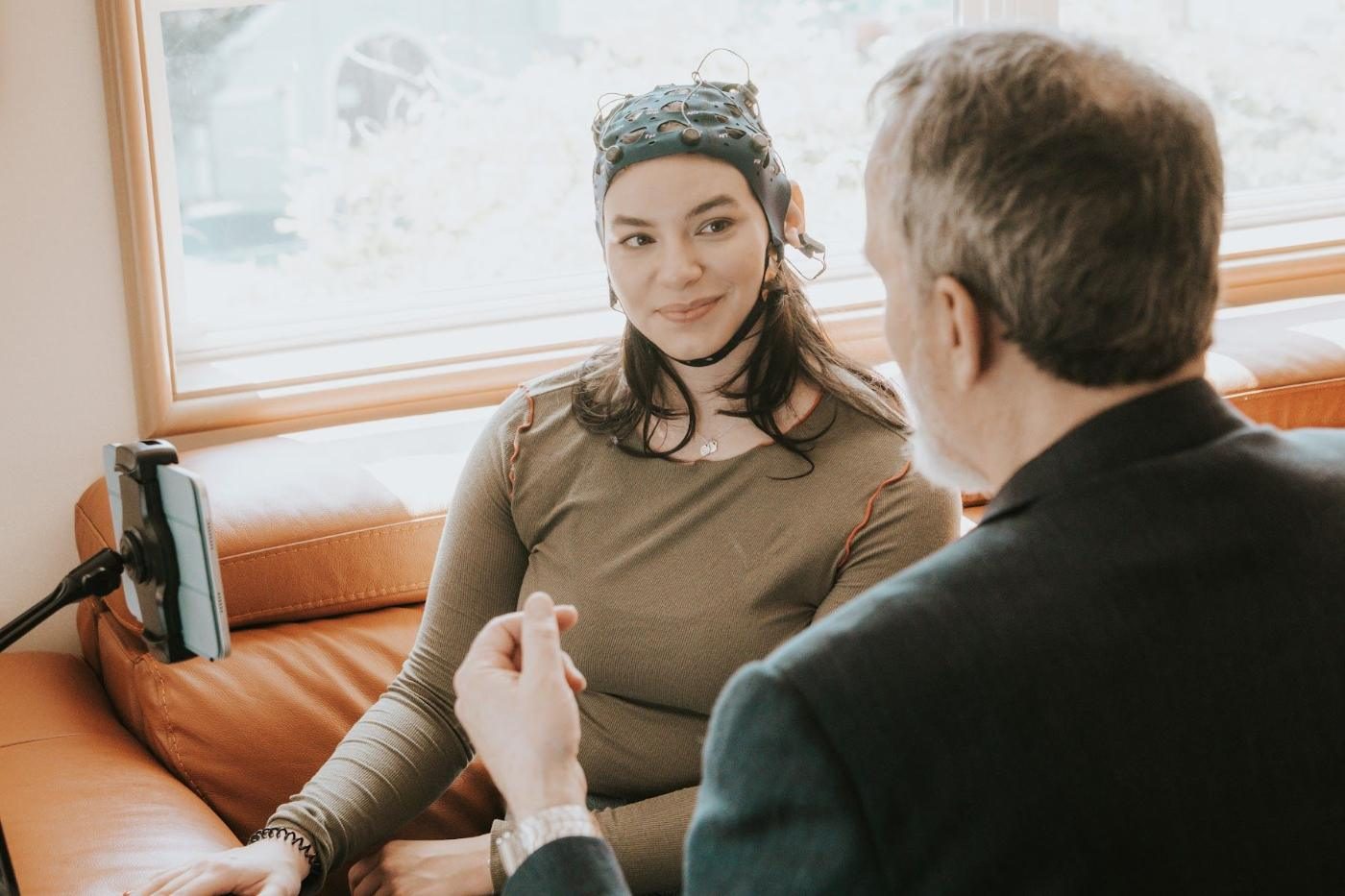
Dr. Nathan Brown developed the Method from decades of clinical work across neuroscience, neurotherapy and psychotherapy. It is built around the brain, not around a particular device, so what you learn applies on any neurotherapy platform.
The device is the window through which you see the brain and give it information. The clinical thinking is what makes neurotherapy work in your practice, and that is what we teach.
Five areas of practice
- Understanding how nervous system function relates to common presenting concerns
- Applying the principles of behavioral conditioning
- Engaging clients as active partners in their own self-regulation
- Navigating the full process, from assessment to protocol selection, monitoring, adjustment and completion, in a way that fits your therapeutic style
- Choosing the right mix of tools and skill building for each client, within their strengths and limitations
How the Method works with a client
From first assessment to stable improvement
- 1
Assessment
Assessment, often beginning with EEG, shows how the client's nervous system is functioning.
- 2
Protocol selection
What the assessment shows guides the plan and the protocol you start with.
- 3
Training
Training creates the conditions for the nervous system to change.
- 4
Monitoring and adjustment
You lead progress within and across sessions, and adjust the plan as training goes on.
- 5
Completion
The Training Arc gives clear criteria for each phase, from baseline to stable improvement.
The therapeutic relationship runs through every step. Your client is an active partner in their own self-regulation.
More than pushing a button
Understanding the technology matters, but the heart of neurotherapy is the information it gives you and how you use it with your client. Like psychotherapy, neurotherapy rests on the therapeutic relationship and the choices it creates.
An extension of what you already do
Neurotherapy is not something completely different from psychotherapy. It is a tool that deepens and extends what you already do. Psychotherapy works most directly on thoughts, feelings, relationships and behavior; neurotherapy works most directly on nervous system function. Each strengthens the other.
Assessment, then training
Assessment, often beginning with EEG, shows how a client's nervous system is functioning and guides the plan. Training then creates the conditions for change. In the Method, you adjust the plan as training goes on, rather than setting it once and leaving it to run.
In the office or at home
Today's equipment is simpler to use than it was, which makes training possible at home as well as in the office. That gives clients more flexibility, and gives you more options for how you structure your practice.
Learn the Method
TrueBearing 101 is where every clinician starts. It teaches the Method from its foundations, with one-on-one mentoring to help you apply it.